Sensory Copywriting Matters: How to Turn Browsers into Bookings
Why "high-quality" doesn't sell wine, food, or travel, and what to write instead.
INDUSTRY
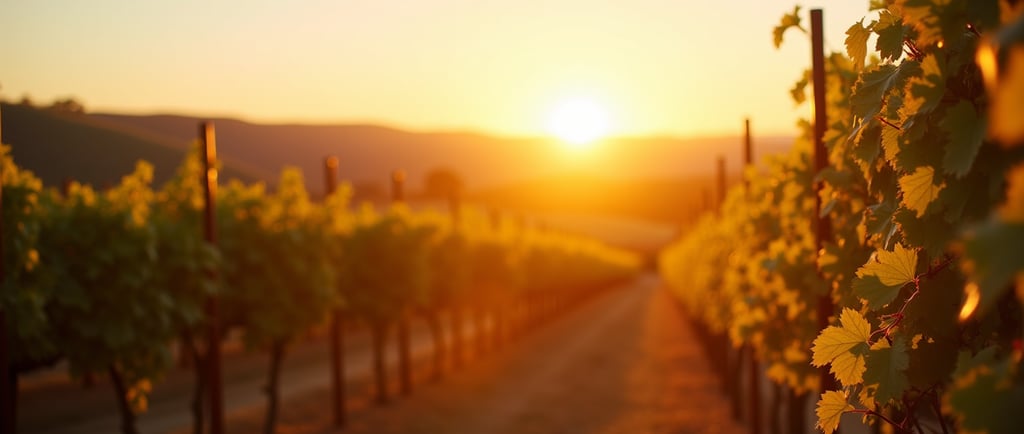
Sensory copywriting is what makes someone read your words and think, oh yep, I need to be there. It helps people picture the pour, taste the pasta, feel the sea breeze, and start wanting the experience before they’ve even hit book now.
So, What Actually Is Sensory Copywriting?
It’s writing that makes people feel something. Not in a dramatic, clutch-your-chest way. Just in a very handy, very book-the-table/book-the-stay/buy-the-bottle kind of way.
Instead of tossing around sleepy words like “premium” or “high-quality,” sensory copy uses details people can actually latch onto. The crackle of crust. The velvet of a red. The salt in the evening air. Suddenly, your reader isn’t just reading. They’re half there already.
And that’s the magic of it. We’re not listing features like a cereal box. We’re helping people imagine the experience in full colour, with all the good bits included.
Wineries: Please Stop Sounding Like a Brochure
Let’s have a loving little rant, shall we? So much winery copy still sounds like it was written by a committee in a beige room. Everything is “premium.” Everything is “carefully crafted.” Everything has a “long finish.” Lovely. But what does any of that actually feel like?
Wine is not boring. A cellar door is not boring. The people pouring your Shiraz on a Friday night are definitely not boring. So your copy shouldn’t be either.
Sensory copy gives your wine a pulse. It takes the reader beyond “good quality” and into something they can almost taste before the first sip.
Before & After: The Boring vs. The Beautiful
Standard Copy: "Our Cabernet Sauvignon is a high-quality wine with balanced acidity and a long finish."
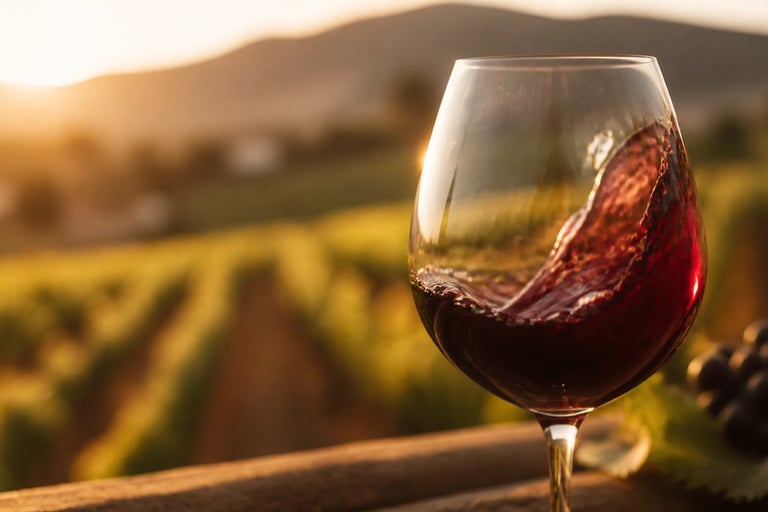
Sensory Copy: "This Cabernet Sauvignon carries notes of bruised blackberries and cedar, leaving a weight of dark chocolate and fine-grained tannin on the palate."
See the difference? The first one could belong to absolutely any bottle on absolutely any shelf. The second one has a mood. A texture. A little swagger. You can almost taste it, which is exactly the point.
How to Actually Make It Happen
If your tasting notes are feeling a bit sleepy, start there. A good copywriting service can help you freshen them up, but even before that, here’s what to look for:
Get specific with flavour: Don’t stop at "fruity." Is it stewed plum? Sour cherry? Zesty lime? Give us something juicy to work with.
Describe the feel, not just the flavour: Is it silky? Bright? Grippy? Crisp? Wine is a full-body experience. Let the words do some lifting.
Bring in the place: The vineyard matters. The air matters. The view from the cellar door matters. Let the wine feel connected to where it comes from.
Restaurants: Make Them Hungry
Restaurant copy has one job: make people want to eat. Immediately. Preferably while pretending they’re “just having a quick look” at the menu.
If your dish description could apply to half the cafes in the country, it’s not working hard enough. We want the sizzle. The crunch. The butter. The bit where someone reads it and suddenly needs a booking and a glass of something cold.
Use Words You Can Almost Taste
Words like “crunchy,” “creamy,” and “seared” do the heavy lifting because they tell us what’s actually happening on the plate. “Delicious” is nice. It is also doing absolutely nothing.
Ineffective: "Try our delicious scallops."
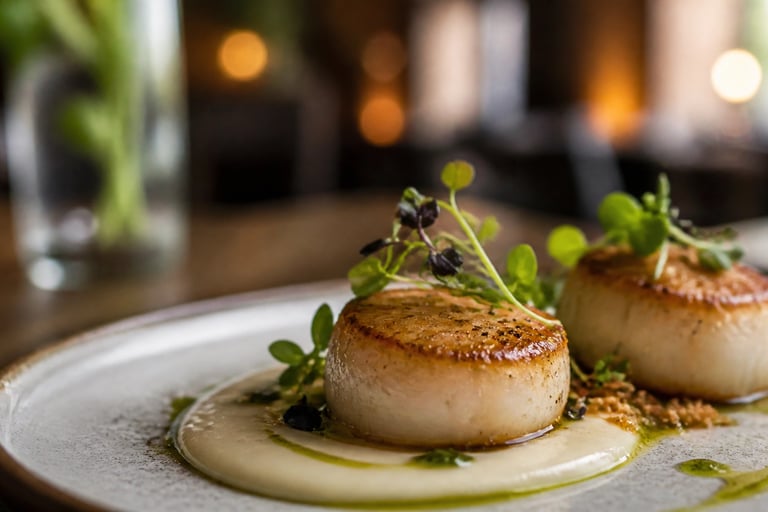
Effective: "Seared scallops served with a buttery cauliflower purée and crisp pancetta."
That second version wins because you can feel the contrast straight away. Golden sear. Silky purée. Salty crunch. It’s specific, and specific is what makes people hungry.
A Quick Note on Why This Works
People are far more likely to order something when they can picture it properly. A dish with a vivid, mouth-watering description feels more tempting, more memorable, and usually a bit more worth the price too. Which, honestly, makes perfect sense.
Travel Brands, This One’s for You
Travel copy has to do something tricky. It has to sell an experience people can’t taste, touch, or wander through yet. That’s why flat, generic writing falls over so quickly. Nobody books a trip because a place sounds “beautiful” and “unique.” We’ve all heard that song before.
What works is helping people step into the moment before they’ve packed a bag. That’s true for destination guides, hotel pages, retreat listings, the lot.
Make Them Feel Like They’re There
The best travel copy doesn’t just show people the view. It gives them the whole scene.
Sight: Tell us about the ochre cliffs, the amber-lit laneways, the sunlight hitting the table at 6pm.
Sound: Bring in the lazy hum of a summer afternoon, the lazy clink of glassware, the hush of waves rolling in.
Touch: Let us feel the cool stone underfoot, the linen sheets, the salt in the evening air.
Smell: Think roasted coffee drifting out of a café, eucalyptus on the breeze, sunscreen and sea spray.
Want to Try This? Here’s How
If your copy is sounding a bit stiff, don’t panic. You don’t need to throw the whole website in the bin. Start here:
1. Hunt Down the Fluffy Words
Go through your website and highlight vague fillers like "best," "beautiful," "premium," and "excellent." Then swap most of them for details people can actually picture, taste, smell, or feel.
2. Layer In More Than One Sense
If every sentence is only telling us what something looks like, it can still feel a bit flat. Add sound. Add texture. Add temperature. Give the reader more to step into.
3. Ditch the Tired Phrases
“Melt-in-your-mouth.” “Hidden gem.” “World-class.” They’ve all had a good run. But they’re tired. Fresh, specific language always works harder.
4. Sound Like a Person, Not a Pamphlet
This one matters more than people think. Write like you’d talk to a guest, not like you’re filling out a brochure template from 2009. Warmth wins. Personality wins. Real always wins.
And Yes, It Works
This isn’t just us getting carried away over beautiful adjectives. Sensory language sticks in people’s minds more easily than vague claims. It gets more attention. It feels more believable. And in wine, food, and travel, that extra spark can absolutely help lift bookings, orders, and perceived value.
Write It Like You Mean It
For wine, food, and travel brands, sensory copywriting isn’t fluff. It’s the difference between sounding nice and sounding irresistible. When people can picture the experience, they’re far more likely to want in.
So if your copy has been leaning a bit too hard on “premium,” “beautiful,” and “exceptional,” consider this your friendly nudge. We can do better than brochure-speak. And frankly, your brand deserves better too.
For more information on transforming your digital presence, view our copywriting portfolio or contact our specialists.